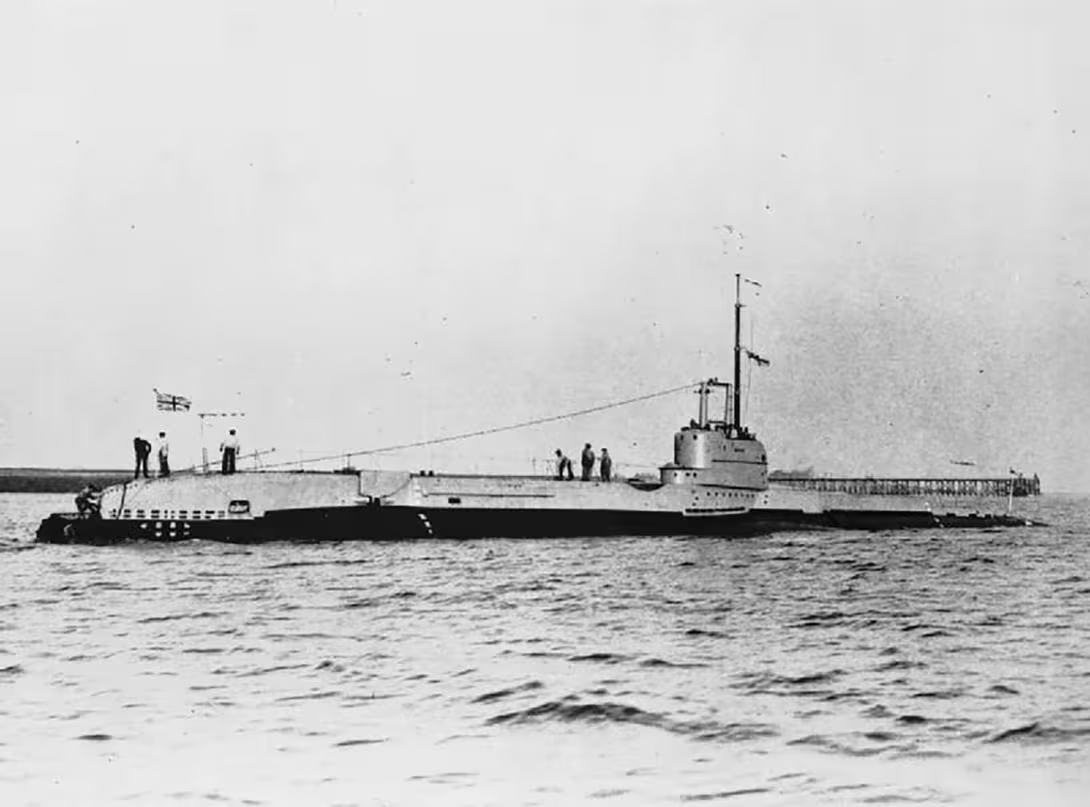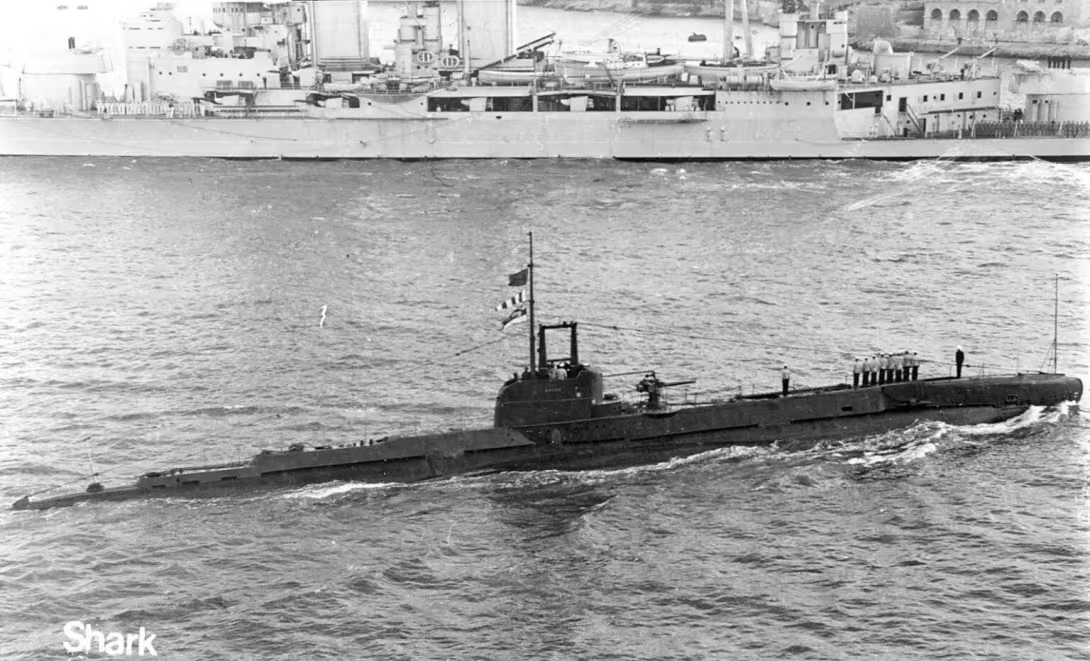
HMS Shark was a Second Group S-class submarine of the Royal Navy, built at Chatham Dockyard. She was laid down in 1933, launched on 31 May 1934, and commissioned on 31 December 1934.
Key Facts
- Class: S-class submarine (Second Group)
- Pennant Number: N54 (also 54S)
- Builder: Chatham Dockyard
- Commanding Officer in 1940: Lt Cdr Peter Noel Buckley, RN
- Motto: Celer et Audax ("Swift and Bold")
Final Patrol and Loss
The story of HMS Shark is one of the most dramatic in Royal Navy submarine history.
On 5 July 1940, while patrolling off south-west Norway near Skudesnes, Shark was caught on the surface by a German seaplane. As she dived, bombs exploded close astern, causing severe damage to her steering gear and hydroplanes. Her bow repeatedly broke the surface and she came under further air attack.
Despite the damage, Shark's crew struggled to save the submarine and continued moving on the surface under engine power. Additional German aircraft attacked, holed a ballast tank, and left the submarine unable to dive. With batteries running low, flooding increasing, and no prospect of escape, Lt Cdr Buckley was eventually forced to surrender.
The following morning, German minesweeping trawlers M-1803, M-1806, and M-1807 arrived to take the submarine in tow. However, Shark had been secretly prepared for scuttling by her crew. As the damaged submarine began sinking stern first, the Germans were forced to cut the towing cables to save their own vessels. Shark disappeared beneath the sea approximately 25 nautical miles west-south-west of Egersund, Norway, on 6 July 1940.
Casualties
The attack killed two crewmen immediately, while many others, including the captain, were wounded. Most of the surviving crew became prisoners of war.
Why HMS Shark Is Remembered
HMS Shark's crew survived to tell the story. Shark's determined fight for survival and her crew's successful denial of the submarine to the enemy make her one of the most remarkable British submarine stories of WWII.